
10 hr
Mt. Fuji & Hakone Day Tour with Ropeway and Lake Ashi
Full-day guided excursion from Tokyo featuring volcanic valleys, sacred shrines, and epic Fuji vistas
Reserve
Hand-picked by our editors — only the best 5 excursions from 47 reviewed.
Verified partners for every tour, free cancellation where available, and instant confirmation on every booking.
10 hr
Full-day guided excursion from Tokyo featuring volcanic valleys, sacred shrines, and epic Fuji vistas
Reserve
10 hr
Discover Japan's iconic peak from six stunning vantage points, from mirrored lakeshores to flower-lined trails and viral photo spots.
Reserve
10 hr
Journey to Japan's sacred peak with lakeside views, iconic pagoda vistas, and a traditional village
ReservePrices from verified partners. Availability updates in real time at checkout. Free cancellation policies apply where shown.
The landmarks, rooms, and views travelers on this tour remember — all visible on a single visit.
A historic site dedicated to the guardian deity of Mt. Fuji, offering a spiritual atmosphere and unique Goshuin stamps for collectors.
The premier viewpoint for the sea of clouds and an iconic vantage point for photos of the mountain summit.
A relatively gentle 70-minute hiking circuit that offers spectacular views of the volcanic landscape without needing to ascend to the summit.
Located within the rest house, this museum displays geological findings and art related to the history of the mountain.
They complement each other; most visitors who do both call the guided bus excursion more convenient for summit access, while independent travel provides superior freedom to explore local landmarks at your own pace.
| Feature | Top pick Bus Tour | Independent Rail |
|---|---|---|
Logistical Effort |
Low (managed transport) | High (self-planned transfers) |
Cost |
Fixed (all-inclusive) | Variable (tickets plus transfers) |
Route Flexibility |
Fixed itinerary | High (on-demand stops) |
Guided Commentary |
Included (cultural insights) | None (self-guided) |
Transit Wait Times |
Minimal (reserved seats) | Moderate (frequent connections) |
| See tickets → |
Verdict: Opt for a mt fuji bus tour from shinjuku tour to minimize planning fatigue, or choose the independent rail option if you prioritize scheduling autonomy for your Yamanashi adventure.
Choose your ticket, select your date, and reserve in under two minutes. Secure checkout handled by our verified partner.
Instant confirmation by email, with a mobile voucher you can save offline. No printing, no queuing at a collection desk.
Arrive at the entrance, show your voucher on your phone, and walk in. Most tickets include priority or skip-the-line access.
Practical details for your visit straight from our verified partners — hours, access, rules, and how to get there.
1-1-3 Nishi-Shinjuku, Shinjuku City
Main departure point for mt fuji bus tour from shinjuku buses.
Take the Chuo Highway Bus from Shinjuku Expressway Bus Terminal directly to the 5th station.
JR Chuo Line to Otsuki, then Fuji Kyuko Line to Kawaguchiko Station, followed by a local bus.
Sturdy footwear with good grip is essential for the rocky, uneven terrain around the mt fuji bus tour from shinjuku site. Layered clothing is recommended as temperatures at the 5th station are significantly colder than in Tokyo, even in autumn.
Coin lockers are available at the Fuji Subaru Line 5th Station for storing luggage, but space can be limited during peak times. Security staff monitor the trail gate to ensure compliance with mountain entry regulations.
Photography is encouraged, particularly at the observation decks and the shrine area. Please respect climbers' privacy and do not block trail paths while capturing your mt fuji bus tour from shinjuku memories.
The main plaza at the Fuji Subaru Line 5th Station is paved and accessible for visitors. However, the surrounding trails like the Ochudo circuit feature natural, uneven volcanic paths that are not wheelchair friendly.
Mobile signal is generally reliable at the 5th station plaza. Hikers are encouraged to download the Mt. Fuji app for real-time GPS tracking and safety alerts during their mt fuji bus tour from shinjuku.
The site is family-friendly, offering paved observation areas suitable for children. Parents should supervise children closely near the trail entrances and maintain a steady pace to account for the high altitude.
Several restaurants and cafes are available at the Fuji Subaru Line 5th Station offering regional dishes like Yoshida Udon. Bringing light snacks and hydration is advised for the mt fuji bus tour from shinjuku excursion.
Pets are generally not permitted inside the mountain facilities or on restricted trails for safety reasons. Please keep them leashed and under control in the public parking areas.
Always check weather alerts before your mt fuji bus tour from shinjuku departure. The 5th station can experience rapid changes in visibility and wind speeds.
1-1-3 Nishi-Shinjuku, Shinjuku City
Main departure point for mt fuji bus tour from shinjuku buses.
Get directionsBest time to go, insider tips, nearby landmarks, and the cancellation fine print — flip through to skim what matters to you.
How crowds, weather, and events shift across the year.
Mild temperatures; best for viewing cherry blossoms at lower elevations before the summit season starts.
Peak climbing season (July–September) with busy trails and higher accessibility via the shuttle system.
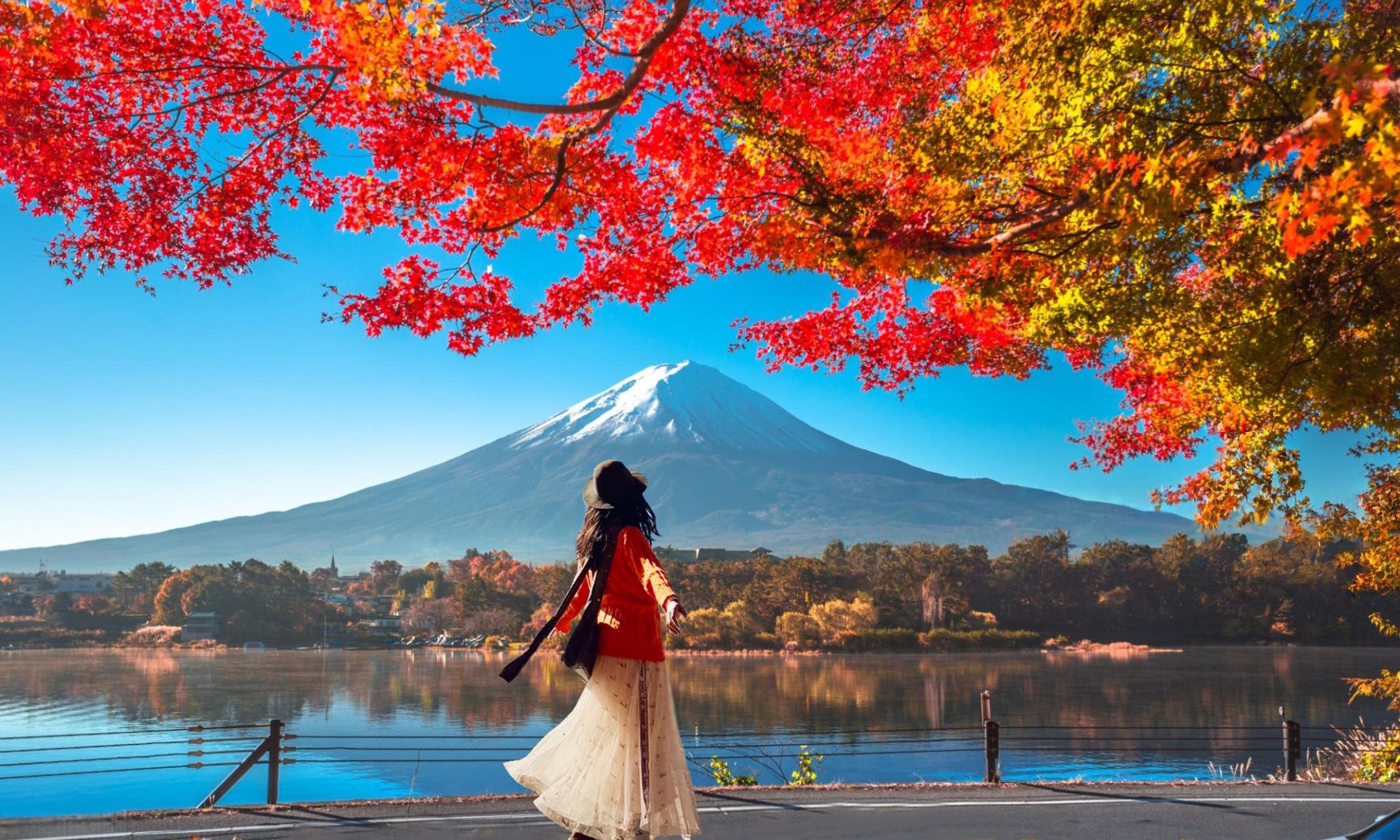
September to November offers thinner crowds and stunning foliage in the foothills.
Deep snow closures; restricted access to the 5th station often requires professional transport.
Small details that turn a good visit into a great one.
Spend at least 30–60 minutes in the 5th station plaza to acclimatize before moving to higher elevations. Drink plenty of water and move at a relaxed pace.
Non-bookable sights within a short walk — free to visit, easy to pair.
Historical shrine dedicated to the guardian deity of climbers.
Geological exhibits detailing the volcanic history of the peak.
Scenic walking path circling the 5th station area offering diverse flora.
Primary viewing platform for the sea of clouds and lakes.
Flexible, no hidden fees.
Cancellation policies for mt fuji bus tour from shinjuku tickets are operator-specific; please review your confirmation voucher for the exact refund window. Note that the mandatory 4,000 JPY conservation fee is non-refundable once paid.
Hand-picked options within walking distance — pick a district for vibe, or a specific hotel for convenience.
Comfortable lodge with capsule-style rooms for climbers.
Log cabin-style base for shopping and regional dining.
Extensive range of hotels and ryokans located at the base of the mountain.
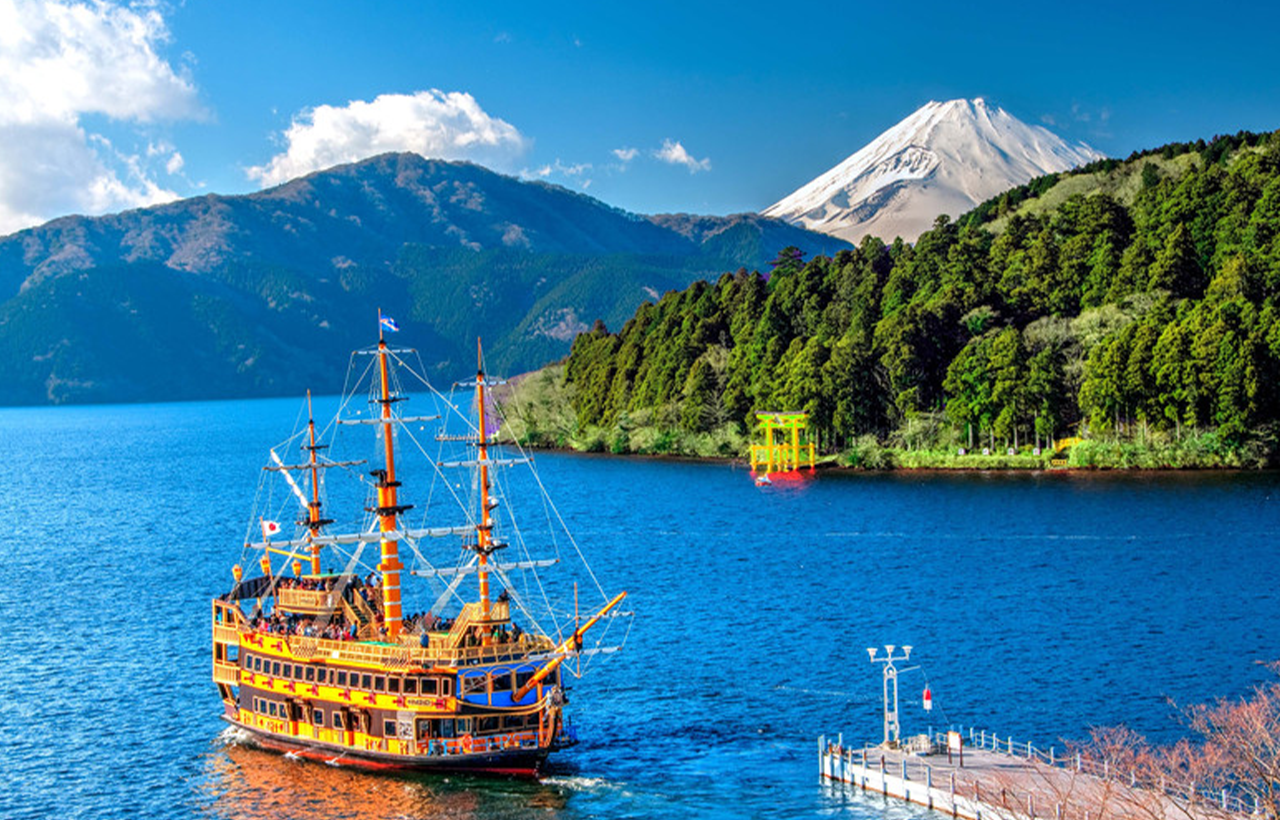
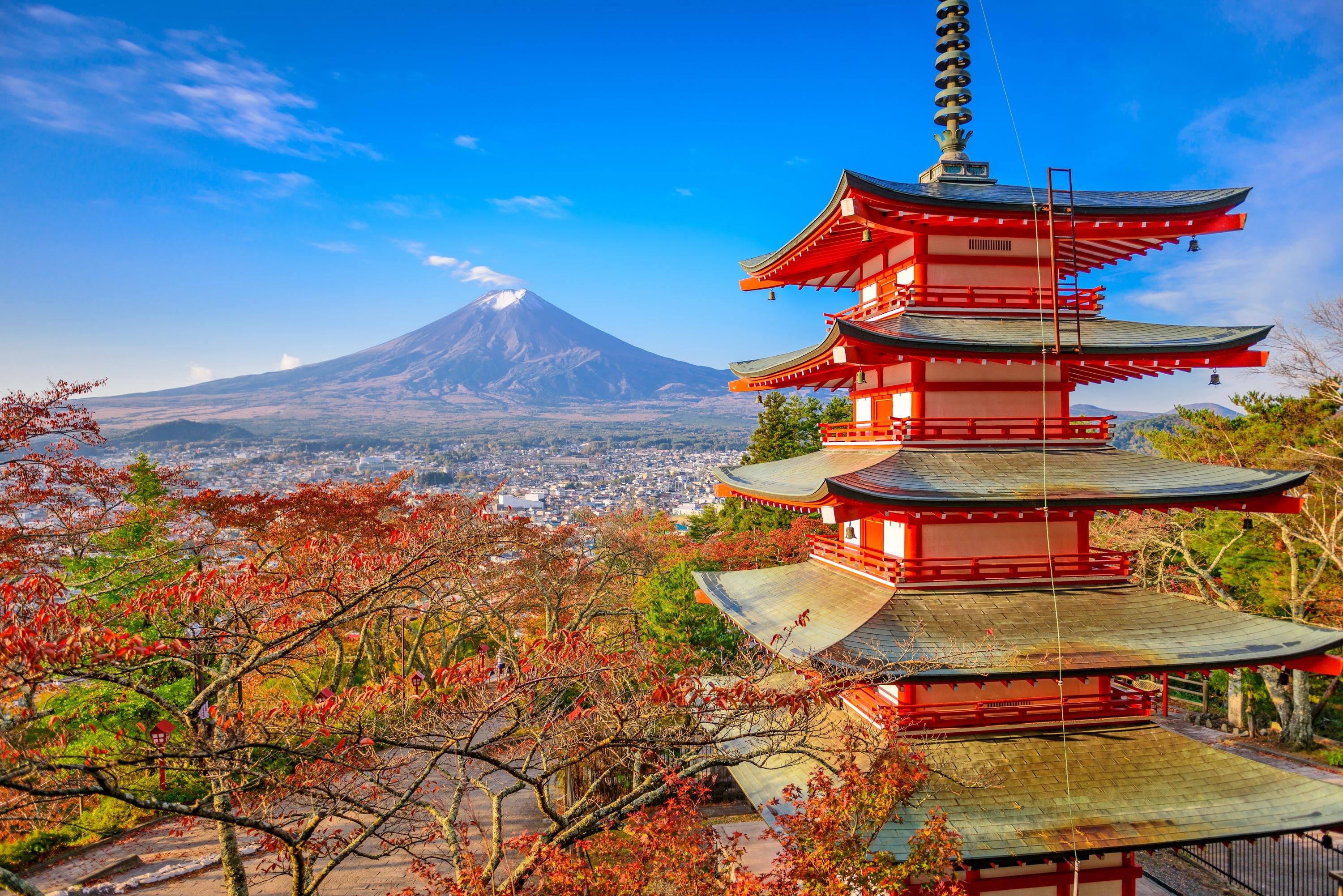
Japan's tallest mountain rises 3,776 metres from the Pacific coast, its symmetrical cone visible from Tokyo on clear days. For centuries pilgrims climbed the volcanic slopes between July and September, when snowmelt opened the upper trails. The Fuji Subaru Line road, completed in 1964, brought vehicular access to the 5th Station at 2,305 metres elevation, transforming what once required two days of hiking into a half-day excursion from the capital. The 5th Station serves as base camp for summer climbers and the turnaround point for day visitors. Stone shrines mark the trailhead where seasonal climbers begin the six-hour ascent to the crater rim. Below the station, five glacial lakes encircle the mountain's northern flank. Lake Kawaguchi, the most accessible from Tokyo, reflects the peak's profile in its still waters. The Chureito Pagoda, a five-story vermillion tower built in 1963 as a peace memorial, frames the mountain from an elevated hillside in Fujiyoshida. During cherry blossom season in early April and maple season in November, photographers queue at dawn for the alignment of pagoda, blossoms, and summit. Hakone's volcanic valley lies 30 kilometres southeast of Fuji's peak. The Hakone Ropeway gondola crosses the active Owakudani caldera, where sulfur vents release steam at 130 degrees Celsius. Lake Ashi, a crater lake formed 3,000 years ago, stretches nine kilometres along the caldera floor. Replica pirate galleons ferry passengers between Moto-Hakone port and Togendai, tracing the route of Edo-period checkpoint stations on the old Tokaido highway. Bus excursions depart Shinjuku's west exit between 07:00 and 08:00, reaching the 5th Station by mid-morning. The drive follows the Chuo Expressway through Yamanashi Prefecture's fruit orchards and past Lake Yamanaka before ascending the mountain's northern face. Return routes typically descend through Hakone, adding ropeway and lake cruise segments. The conservation fee of 4,000 yen applies to all visitors above the 5th Station during the July-September climbing season.
"The Fuji Subaru Line road transformed what once required two days of hiking into a half-day excursion from the capital."
A step-by-step walkthrough of the visit — what you'll see, how long each stage takes, and the details that matter.
You board the coach at Shinjuku's west exit while Tokyo's towers are still backlit by dawn. The highway cuts west through Hachioji's suburbs, then climbs into Yamanashi's terraced hillsides. Two hours later the bus pulls into the 5th Station car park at 2,305 metres. The air is thinner here. You step onto volcanic gravel and face the upper cone, its summit another 1,400 metres above. You walk the station's perimeter, past souvenir stalls selling walking sticks and oxygen canisters. A Shinto torii marks the Yoshida trailhead. During climbing season you watch hikers in gaiters and headlamps begin the night ascent. Off-season the trail is closed by snow gates. You pause at the observation deck. On clear days the view extends across Lake Kawaguchi to the Southern Alps. The return leg threads through Hakone's switchbacks. The ropeway gondola sways over Owakudani's sulfur fields, the valley floor white with mineral deposits. At Lake Ashi you board a replica galleon. The lake is ink-blue, bordered by cryptomeria forest. If clouds part, Fuji's north face reappears across the water. The boat docks at Moto-Hakone. You reboard the coach for the two-hour return to Shinjuku, arriving by early evening.
The Fuji Subaru Line 5th Station is accessible 24 hours a day, though transport and facility hours vary by season.
Yes, there is a mandatory 4,000 JPY conservation and entry fee for anyone climbing above the 5th station.
Yes, you can visit the plaza and walk the local paths like the Ochudo trail without paying the 4,000 JPY climbing fee.
The best arrival window is 07:00–13:00 to avoid afternoon clouds and heavy peak-time crowds.
Yes, there are coin lockers available at the Fuji Subaru Line 5th Station to store your personal belongings.
If roads are closed due to weather, many tours will offer an alternative itinerary or a refund depending on the operator's policy.
Yes, the 5th station offers plenty of sightseeing opportunities and facilities that are manageable for families.
If you miss your bus, you may need to take a taxi or use local transit from Kawaguchiko Station to return to your base.
Yes, several restaurants and cafes like Gogoen Rest House serve hearty local specialties for visitors.
Refunds depend on the specific tour provider; please check your mobile voucher for the cancellation terms and contact the operator directly.