
English| USD
Suggested for you
More currencies
Choose a language
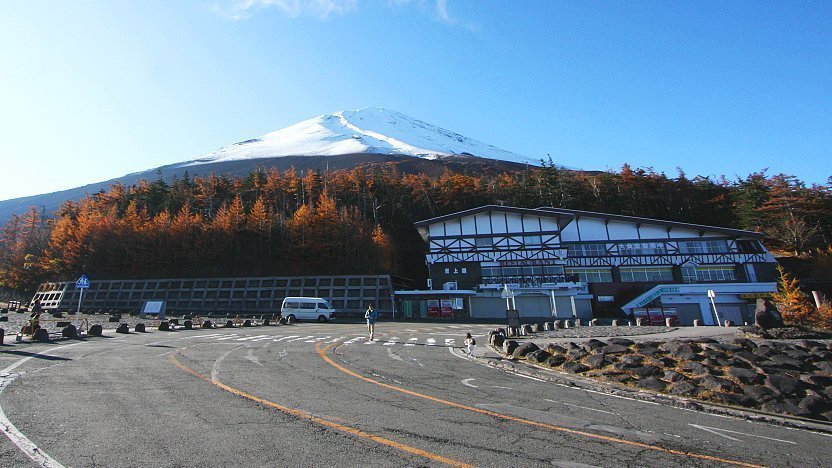
Shinjuku Station sits 140 kilometers from the Mt Fuji 5th Station trailhead — the mandatory starting point for the climbing season. Three primary transport corridors connect Tokyo's busiest terminus to the mountain: direct highway buses departing from the Shinjuku Expressway Bus Terminal, JR express trains running to Kawaguchiko Station with connecting shuttle service, and private transfer options. Your departure timing determines whether you reach the access gates during the mandated 03:00–14:00 arrival window.
Quick answer
Reaching Mt Fuji from Shinjuku requires a highway bus or train journey of approximately 2.5 to 3 hours to Kawaguchiko or the 5th Station. Direct highway buses depart from the Shinjuku Expressway Bus Terminal and run to the 5th Station during climbing season (July–September), while year-round JR Fuji Excursion trains connect Shinjuku to Kawaguchiko Station, where local buses complete the final ascent. Gate access restricts arrivals to 03:00–14:00 daily to prevent dangerous nighttime climbs.
The Chuo Expressway carries more than six thousand climbers every summer weekend from Shinjuku to the starting altitude of 2,305 meters, where oxygen density drops fifteen percent below sea level and the sacred climbing route begins. Understanding how to get to Mt Fuji from Shinjuku starts with recognizing that Japan's tallest peak operates under strict access protocols. The climbing season — roughly early July through mid-September — opens direct bus corridors from the Shinjuku Expressway Bus Terminal (located on the south side of Shinjuku Station's New South Exit) to the Yoshida Trail 5th Station. These Fujikyu-operated coaches depart multiple times daily, cover the 140-kilometer route in approximately 2 hours 35 minutes under normal traffic conditions, and eliminate the need for station transfers. Tickets cost between 2,800 and 3,100 yen one-way depending on advance booking discounts, and reservations open roughly one month before departure dates. Outside climbing season, these direct services cease, redirecting travelers to the Kawaguchiko route. The year-round alternative pairs the JR Fuji Excursion limited express train with connecting mountain transit. Departures from Shinjuku's main JR platforms run hourly during peak periods, reaching Kawaguchiko Station in approximately 1 hour 53 minutes. From Kawaguchiko, local Fujikyu buses ascend the Fuji Subaru Line toll road to the 5th Station in 50 minutes, though this secondary leg operates only when road conditions permit — typically April through November, weather dependent. Combined journey time approaches 3 hours, and the two-stage ticketing adds logistical complexity, but the train corridor remains reliable when highway traffic stalls during holiday weekends. Private transfer services offer the third option, charging 25,000 to 35,000 yen for direct vehicle service accommodating up to four passengers. These eliminate schedule dependency and allow luggage flexibility that crowded public buses restrict, but the cost premium suits group travel more than solo climbers. The mandatory 4,000-yen conservation fee applies regardless of transport method and is collected at the 5th Station trailhead, not during the journey. Climbers targeting early-morning summit attempts often pair overnight lodging in Kawaguchiko with pre-dawn bus departures, ensuring gate access during the restricted hours when trail conditions remain safest.
“The Chuo Expressway carries more than six thousand climbers every summer weekend from Shinjuku to the starting altitude of 2,305 meters.”
Mount Fuji is accessible from Shinjuku Station via direct highway bus or a combination of rail lines. The highway bus remains the most straightforward option for reaching the Mt. Fuji 5th Station directly.
Highway Bus from Shinjuku Expressway Bus Terminal (Busta Shinjuku) to Mt. Fuji 5th Station
JR Chuo Line from Shinjuku to Otsuki Station, then Fujikyu Railway to Fujisan Station
JR Chuo Line Limited Express (Fuji Excursion) from Shinjuku to Kawaguchiko Station
For those taking the train, you must transfer to a local bus at Fujisan Station or Kawaguchiko Station to reach the Mt. Fuji 5th Station. Travelers using the direct highway bus arrive at the 5th Station, which serves as the primary access point for climbing trails.
The best arrival window for Mt. Fuji is 03:00–14:00, as gate access is restricted outside these hours to prevent dangerous nighttime climbs. Planning your visit within this period is essential for safe and regulated access.
Mild; 5–15°C at high altitudes
The official climbing season allows access to higher stations. Expect significant foot traffic on trails.
Cool; 10–20°C
Trails are generally clear of heavy snow. Facilities begin preparing for the main season.
Chilly; 0–10°C
Cooler temperatures and fewer hikers make this a quiet period. Ensure you check for early snow closures.
—
Arriving at 03:00 helps avoid the mid-day congestion often seen on weekends.
Verdict: The best time to visit is during the official climbing season from July to early September, specifically arriving on weekdays between 03:00 and 14:00.
Access to the Mt. Fuji 5th Station is regulated to ensure visitor safety. The gate is open daily during the following hours.
Climbing Mount Fuji requires advance preparation, particularly during the official climbing season when slot bookings and specific gear become essential.
Everything you need to know about how to get to mt fuji from shinjuku
Travelers typically utilize the direct highway bus or rail connections from Shinjuku Station to reach the mountain area efficiently. Planning your itinerary in advance helps ensure a smooth transition when you figure out how to get to mt fuji from shinjuku for your excursion.
Access to the mountain is restricted to between 03:00 and 14:00 daily to ensure visitor safety. You must plan your arrival within this specific window to enter the trail area.
Yes, all climbers are required to pay a mandatory hiking and conservation fee of 4,000 JPY per person. This contribution supports the preservation of the mountain environment for future visitors.
No, arrival is restricted to the 03:00–14:00 window to prevent the risks associated with nighttime climbing. Please align your transport schedule to fall within these hours.
The official location is Mt. Fuji 5th Station, Fujiyoshida, Yamanashi 403-0005, Japan. This serves as the primary gateway for many hiking routes.
Seasonal conditions heavily influence logistics, as trail access depends on weather and official climbing regulations. Always check the official website before you finalize plans for how to get to mt fuji from shinjuku to confirm current status.
Safety is paramount, and climbing is strictly regulated to daytime hours to prevent accidents. Ensure you are prepared for high-altitude conditions and adhere to all posted guidance at the 5th station.
Mt Fuji Day Tours from Shinjuku
Read more GuideDIY Mt Fuji Tour from Tokyo
Read more GuideMt Fuji Tour Prices
Read more GuideMt Fuji Excursion Trains from Shinjuku
Read more Tickets & toursPrivate Mt Fuji Tours from Shinjuku
Read more Tickets & toursMt Fuji Bus Tours from Shinjuku
Read more